Text
Principles Of Thematic Map Design
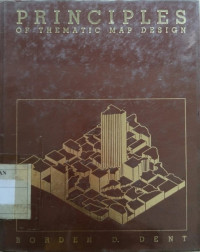
Maps are graphic representations of the cultural and physical environment. Two subclasses of maps exist: general-purpose (reference) maps and thematic maps. This text concerns the design of the thematic map, which shows the spatial distribution of some geographical phenomenon. Map scale, or the amount of reduction of the real world, is critical to the cartographer, since it determines selection and general-ization. Map making must always be viewed in the context of communication: This perspective on the role of the map makes clear the two important transforma-tions in the cartographic process. The first involves the abstraction of nonmapped data into mapped form, and the second deals with how the map user deduces spa-tial information from the map's symbols. Cartographic abstraction includes selec-tion, classification. simplification. and symbolization. Thematic map design is the aggregate of all the mental processes that lead to solutions in the abstraction phase of cartographic communication. Creativity and ideation and visualization methods as-sist the designer in producing a better map. Cartographic design, in summary, is a pro-cess of selection, dealing with the combina-tion of such elements as scale, symboliza-tion, color, and typography.
Ketersediaan
Informasi Detail
- Judul Seri
-
-
- No. Panggil
-
PVG 528.9 Den p c.1
- Penerbit
- London : Addision., Wesley.,Pu.,
- Deskripsi Fisik
-
-
- Bahasa
-
English
- ISBN/ISSN
-
0-201-11334-1
- Klasifikasi
-
-
- Tipe Isi
-
-
- Tipe Media
-
-
- Tipe Pembawa
-
-
- Edisi
-
-
- Subjek
- Info Detail Spesifik
-
-
- Pernyataan Tanggungjawab
-
-
Informasi Lainnya
- Kode Wilayah
-
-
- Pulau Dan Lembar Peta
-
Lainnya
- Provinsi
-
Lainnya
- Koordinat - Latitude
-
-
- Koordinat - Longitude
-
-
Versi lain/terkait
Tidak tersedia versi lain
 Karya Umum
  Filsafat
  Agama
Agama  Ilmu-ilmu Sosial
  Bahasa
  Ilmu-ilmu Murni
  Ilmu-ilmu Terapan
  Kesenian, Hiburan, dan Olahraga
  Kesusastraan
  Geografi dan Sejarah